Unlock Your Car's Potential: Explore the 2003 Saturn L200 Fuse Box Diagram! Explore the 2003 Saturn L200 fuse box diagram for a comprehensive understanding of your vehicle's electrical system. Unlock insights and troubleshooting tips! Unlock Your Car's Potential: Explore the 2003 Saturn L200 Fuse Box Diagram! Explore the 2003 Saturn L200 fuse box diagram for a comprehensive understanding of your vehicle's electrical system. Unlock insights and troubleshooting tips! Curious about the inner workings of your 2003 Saturn L200? Delve into the intricate details of its fuse box diagram, unlocking a world of automotive knowledge. With clear instructions and comprehensive visuals, you'll navigate through the electrical system with ease. Transitioning seamlessly from curiosity to understanding, this guide empowers you to troubleshoot and maintain your vehicle like a pro. From identifying fuse locations to deciphering circuit configurations, each step is accompanied by he...
Unlock the Magic: Explore the Intricate Car Starting System Diagram for a Smooth Ride!

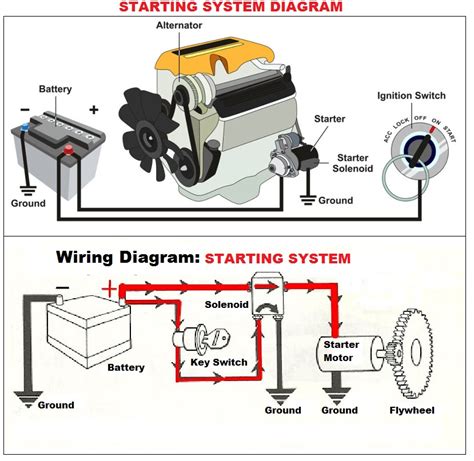

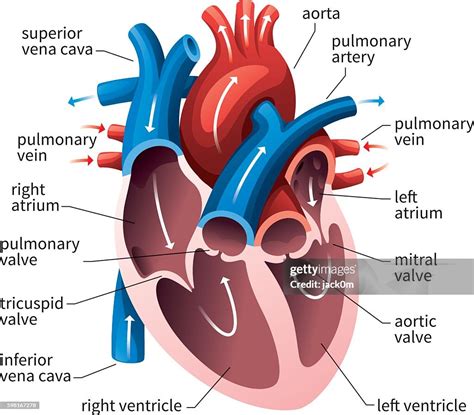
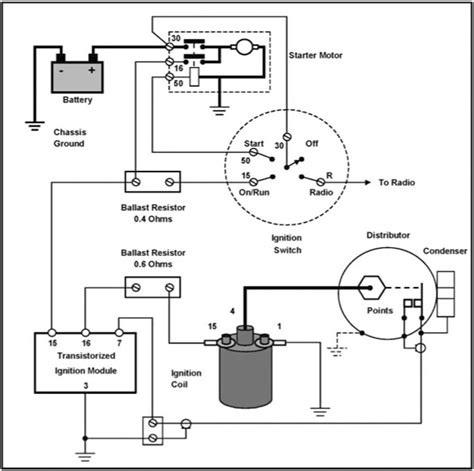

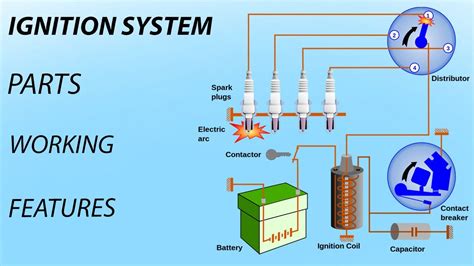
Explore the intricate construction of a car starting system diagram, uncovering the synergy between components that powers your journey forward.
Unlock the Magic: Explore the Intricate Car Starting System Diagram for a Smooth Ride!Explore the intricate construction of a car starting system diagram, uncovering the synergy between components that powers your journey forward.
Delve into the intricate construction of a car starting system diagram, unlocking the secrets behind every smooth ignition. As we explore this diagram, prepare to be amazed by the complexity hidden beneath the hood. From the simple push of a button to the intricate orchestration of components, every detail plays a crucial role in ensuring your vehicle springs to life effortlessly. Transitioning from the static image to a dynamic understanding, you'll uncover the synergy between various parts, each contributing its unique function to the greater mechanism. Let's embark on this journey of discovery, unraveling the mystery behind what powers your journey forward.
Unlocking the Intricacies of Car Starting System Diagram ConstructionThe Basics of Car Starting System Diagram
In the world of automotive engineering, understanding the intricacies of a car starting system diagram is crucial. It serves as a blueprint, revealing the interconnected components responsible for igniting the engine and propelling the vehicle forward.
Deciphering the Components
Breaking down the diagram unveils a myriad of components, each playing a vital role in the starting process. From the battery to the starter motor, every part has a specific function essential for smooth ignition.
Power Source: The Heart of the System
The battery serves as the heart of the car starting system, providing the initial surge of electricity needed to kickstart the engine. Without a functioning battery, the entire system would be rendered ineffective.
Ignition Switch: Initiating the Sequence
The ignition switch acts as the catalyst, triggering the start-up sequence. With a simple turn of the key or push of a button, it sets the entire process in motion, allowing fuel and electricity to flow to the necessary components.
Fueling the Fire: The Fuel System's Role
The fuel system plays a crucial role in supplying the engine with the necessary fuel for combustion. It ensures that the engine receives the precise amount of fuel required for optimal performance, enhancing efficiency and power output.
Generating Sparks: The Ignition Coil's Function
The ignition coil is responsible for generating the spark needed to ignite the fuel-air mixture in the engine cylinders. Its efficient operation is essential for reliable engine ignition and smooth performance.
Starter Motor: Converting Energy into Motion
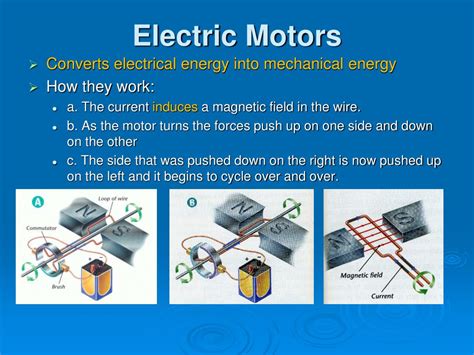
The starter motor converts electrical energy from the battery into mechanical motion, engaging the engine's flywheel to initiate cranking. Its robust design and performance are critical for a quick and effortless start-up.
Ensuring Synchronization: Timing Belt or Chain
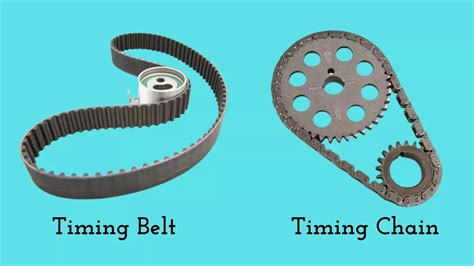
The timing belt or chain ensures precise synchronization between the engine's camshaft and crankshaft, facilitating proper valve timing. This crucial component prevents potential engine damage and ensures optimal performance.
In conclusion, the car starting system diagram is a testament to the engineering marvels that power our vehicles. Understanding its construction and the role of each component provides valuable insight into the intricacies of automotive technology.
1. Understanding the Basics:
- What exactly is a car starting system diagram?
- Breaking down its fundamental components.
2. The Power Source:
- Exploring the battery's vital role in starting your car.
- How it delivers the initial jolt of electricity.
3. Initiating the Process:
- Unveiling the ignition switch and its function.
- How it triggers the start-up sequence.
4. Fueling the Fire:
- The role of the fuel system in the starting process.
- Delivering the necessary fuel for combustion.
5. Sparking Success:
- Understanding the ignition coil's function.
- How it generates the spark to ignite the fuel.
6. Bringing it All Together:
- Examining the starter motor's role.
- How it converts electrical energy into mechanical motion.
7. Timing is Everything:
- Understanding the role of the timing belt or chain.
- Ensuring precise synchronization for optimal performance.
8. Safety Measures:
- Exploring the safety mechanisms within the system.
- Preventing accidental starts or malfunctions.
9. Troubleshooting Tips:
- Common issues and how to diagnose them.
- Simple fixes for typical starting system problems.
10. Looking Ahead:
- Future advancements in car starting system technology.
- What innovations might shape the systems of tomorrow.
Components of the Car Starting System Diagram
At the core of the **car starting system diagram** lies a network of essential components, each playing a vital role in the ignition process. These components work in tandem to initiate the combustion cycle, ultimately powering the vehicle. The primary players within this system include the **ignition switch**, **starter motor**, **ignition coil**, **fuel system**, **timing belt or chain**, and the **battery**.
The Ignition Switch
As the catalyst for the ignition process, the **ignition switch** serves as the gateway to activating the **car starting system**. This component is typically located on the steering column or dashboard and can be engaged via a key or button. When the ignition switch is turned, it sends a signal to the **starter motor** and **ignition coil**, prompting the initiation of the ignition sequence.
The Starter Motor
Essentially the engine's cranking mechanism, the **starter motor** is responsible for converting electrical energy from the **battery** into mechanical energy. It achieves this by engaging the engine's flywheel, initiating the cranking motion necessary to start the engine. Without a functional **starter motor**, the **car starting system** would fail to kickstart the engine, leaving the vehicle immobile.
The Ignition Coil
Central to the ignition process is the **ignition coil**, which plays a pivotal role in generating the spark needed to ignite the fuel-air mixture within the engine cylinders. This component transforms the low-voltage electrical current from the **battery** into a high-voltage surge, capable of producing the spark required for combustion. Its efficient operation is essential for reliable engine ignition and optimal performance.
The Fuel System
The **fuel system** acts as the lifeline for the engine, supplying the necessary fuel for combustion. This system encompasses various components, including the fuel pump, fuel injectors, and fuel lines, all of which work together to deliver fuel to the engine cylinders in the precise quantities required. A well-functioning **fuel system** ensures efficient combustion, enhancing both performance and fuel economy.
The Timing Belt or Chain
Ensuring precise synchronization between the engine's camshaft and crankshaft is the responsibility of the **timing belt or chain**. This component regulates the opening and closing of the engine's valves, facilitating proper valve timing and preventing potential damage. Regular maintenance of the **timing belt or chain** is essential to prevent failures that could lead to costly engine repairs.
The Battery
At the heart of the **car starting system** lies the **battery**, serving as the primary source of electrical energy. It provides the initial surge of power needed to activate the **starter motor** and **ignition coil**, kickstarting the ignition process. A well-maintained **battery** is crucial for ensuring reliable engine starts, particularly in cold weather conditions.
Functionality and Interconnection
While each component within the **car starting system diagram** performs a specific function, their collective operation is what drives the ignition process forward. The **ignition switch** serves as the trigger, setting the sequence in motion by activating the **starter motor** and **ignition coil**. Simultaneously, the **fuel system** delivers the necessary fuel to the engine, while the **timing belt or chain** ensures precise synchronization for optimal performance.
Furthermore, the **battery** acts as the lifeblood of the system, providing the initial jolt of electricity needed to power the **starter motor** and **ignition coil**. Without the seamless interconnection of these components, the **car starting system** would fail to initiate, leaving the vehicle immobilized.
Maintenance and Troubleshooting
Regular maintenance of the **car starting system** is essential for preserving its functionality and longevity. This includes inspecting and testing the **battery** regularly, ensuring proper alignment and tension of the **timing belt or chain**, and diagnosing any issues with the **ignition switch**, **starter motor**, or **ignition coil** promptly.
Common problems with the **car starting system** include **dead batteries**, **faulty ignition switches**, **defective starter motors**, and **failed ignition coils**. By conducting routine checks and addressing issues promptly, vehicle owners can minimize the risk of unexpected breakdowns and ensure reliable engine starts.
Future Innovations
As automotive technology continues to evolve, so too does the **car starting system**. Advancements in **electrical engineering** and **power storage** are paving the way for more efficient and environmentally friendly ignition solutions. From **hybrid vehicles** to **electric cars**, the future of automotive ignition holds promise for greater efficiency, reduced emissions, and enhanced performance.
In conclusion, the **car starting system diagram** encapsulates the intricate network of components responsible for initiating the ignition process. Understanding the functionality and interconnection of these components is essential for both automotive enthusiasts and technicians, ensuring reliable engine starts and optimal vehicle performance.
1. Understanding the **car starting system diagram** is like having a roadmap for your car's ignition process. 2. It's a visual breakdown of how different parts work together to start your car. 3. The diagram highlights key components like the **ignition switch**, **starter motor**, and **battery**. 4. Each part has a specific job: the ignition switch starts the process, the starter motor cranks the engine, and the battery provides power. 5. Other components like the **ignition coil** and **fuel system** also play important roles. 6. By studying the diagram, you can better grasp how your car starts and troubleshoot any issues that arise. 7. It's a handy tool for both car enthusiasts and mechanics alike. 8. With a clearer understanding of your car's starting system, you can feel more confident on the road.
1. What is a car starting system diagram? - A **car starting system diagram** is a visual representation of the various components and their interconnections involved in the process of starting a vehicle's engine. - It illustrates how electrical energy from the battery is utilized to initiate mechanical motion in the starter motor, ultimately leading to engine ignition.What are the main components of a car starting system diagram?The primary components depicted in a car starting system diagram include the ignition switch, starter motor, ignition coil, battery, fuel system, and timing belt or chain.Each component plays a crucial role in the ignition process, working together to ensure efficient engine start-up.How does the ignition switch function in the car starting system?The ignition switch serves as the primary control mechanism for the car starting system, initiating the ignition sequence when engaged.When the ignition switch is turned, it sends a signal to the starter motor and ignition coil, triggering the start-up process.What role does the starter motor play in the car starting system?The starter motor is responsible for converting electrical energy from the battery into mechanical motion.It engages with the engine's flywheel, initiating the cranking motion necessary to start the engine and begin the combustion cycle.Why is the ignition coil important in the car starting system?The ignition coil is crucial for generating the high-voltage spark needed to ignite the fuel-air mixture in the engine cylinders.It transforms the low-voltage electrical current from the battery into a high-voltage surge, facilitating reliable engine ignition.What role does the battery play in the car starting system?The battery serves as the primary source of electrical energy for the car starting system, providing the initial surge of power needed to activate the starter motor and ignition coil.Without a functioning battery, the ignition process would fail to initiate, rendering the vehicle immobile.How does the timing belt or chain contribute to the car starting system?The timing belt or chain ensures precise synchronization between the engine's camshaft and crankshaft, facilitating proper valve timing.This synchronization is essential for efficient engine operation and prevents potential damage to the engine components.
As we conclude our exploration into the intricacies of car starting system diagram car construction, it's essential to reflect on the significance of understanding this fundamental aspect of automotive engineering. Armed with this knowledge, you possess a valuable tool that empowers you to navigate the complexities of your vehicle's ignition process with confidence and ease. Whether you're a seasoned car enthusiast or simply a curious driver, delving into the inner workings of your car's starting system opens doors to a deeper appreciation for the marvels of modern technology.
Moreover, grasping the intricacies of the car starting system diagram car construction serves as a gateway to proactive vehicle maintenance and troubleshooting. By familiarizing yourself with the various components and their functions, you can detect potential issues early on and address them before they escalate into costly repairs. Whether it's a malfunctioning ignition switch or a depleted battery, your newfound understanding enables you to tackle these challenges head-on, ensuring smooth and reliable performance on the road.
In closing, the journey into the realm of car starting system diagram car construction offers not only insight but also empowerment. It transforms the seemingly mundane task of starting your car into a moment of appreciation for the intricate engineering that makes it all possible. So, the next time you turn the key in the ignition, take a moment to marvel at the symphony of components working seamlessly together beneath the hood, propelling you forward on your journey with confidence and reliability.
Keywords : Starter Motor, components, Ignition Coil, Ignition switch, battery, timing belt or chain, car starting system diagram
Comments
Post a Comment