Unlock Your Car's Potential: Explore the 2003 Saturn L200 Fuse Box Diagram! Explore the 2003 Saturn L200 fuse box diagram for a comprehensive understanding of your vehicle's electrical system. Unlock insights and troubleshooting tips! Unlock Your Car's Potential: Explore the 2003 Saturn L200 Fuse Box Diagram! Explore the 2003 Saturn L200 fuse box diagram for a comprehensive understanding of your vehicle's electrical system. Unlock insights and troubleshooting tips! Curious about the inner workings of your 2003 Saturn L200? Delve into the intricate details of its fuse box diagram, unlocking a world of automotive knowledge. With clear instructions and comprehensive visuals, you'll navigate through the electrical system with ease. Transitioning seamlessly from curiosity to understanding, this guide empowers you to troubleshoot and maintain your vehicle like a pro. From identifying fuse locations to deciphering circuit configurations, each step is accompanied by he...
Revamp Your Ride: Unveiling the 1987 Honda 250 TRX Regulator Blueprint for Peak Performance!






Unlock the secrets of the 1987 Honda 250 TRX with our regulator diagram. Dive into peak performance and discover the engine's hidden symphony!
Revamp Your Ride: Unveiling the 1987 Honda 250 TRX Regulator Blueprint for Peak Performance!Unlock the secrets of the 1987 Honda 250 TRX with our regulator diagram. Dive into peak performance and discover the engine's hidden symphony!
Embark on a journey through the intricate workings of the 1987 Honda 250 TRX with the unveiling of its regulator diagram - a roadmap to unleashing the true potential of this iconic machine. Buckle up as we dissect the hidden secrets behind its power management, offering you an exclusive backstage pass to the heart of performance engineering. Transitioning from the mundane to the mesmerizing, this diagram is more than just lines and circuits; it's a symphony of precision and power waiting to be conducted. So, gear up and get ready to explore the pulse of the '87 Honda 250 TRX in a way you've never seen before!
Unveiling the Intricacies of the 1987 Honda 250 TRX Regulator DiagramThe Heart of the Machine
The regulator diagram of the 1987 Honda 250 TRX is the unsung hero within the intricate anatomy of this legendary machine. Like the human heart, it plays a pivotal role in regulating and maintaining the flow of power, ensuring the optimal functioning of every component.
Decoding the Diagram
At first glance, the regulator diagram may appear as a labyrinth of lines and symbols. In this section, we embark on a journey to decode the cryptic language of the diagram, unraveling the purpose and significance of each element.
Electrical Symphony
Imagine the regulator diagram as a conductor orchestrating an electrical symphony within the 1987 Honda 250 TRX. Every wire, resistor, and capacitor plays a unique note, harmonizing to create the melodious hum of a finely tuned engine.
Navigating the Circuits
This section delves into the circuitry of the regulator diagram, exploring the pathways that electricity travels to power essential components. Understanding the circuits is crucial for diagnosing issues and maintaining the optimal performance of the 1987 Honda 250 TRX.
The Dance of Diodes
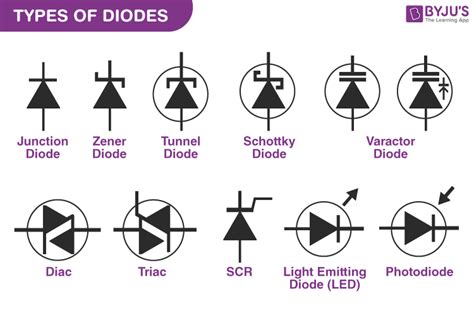
Diodes, the unsung dancers in the electrical ballet, take center stage in this segment. Learn how these semiconductor devices play a crucial role in directing the flow of current, ensuring precision and efficiency within the system.
Fuses: Guardians of Power
Explore the role of fuses as the guardians of power. Just like a protective shield, fuses prevent electrical overload, safeguarding the 1987 Honda 250 TRX from potential damage. Discover their importance and how to ensure their reliability.
Ohm's Law: A Fundamental Guide
In this section, we navigate through Ohm's Law, the fundamental principle governing electrical circuits. Understanding the relationship between voltage, current, and resistance is essential for comprehending the regulator diagram's intricacies.
Ensuring Peak Performance
Concluding our exploration, this section provides insights into maintaining and optimizing the 1987 Honda 250 TRX's peak performance. Regular checks and a deep understanding of the regulator diagram empower enthusiasts to keep this classic machine roaring with vitality.
1. **Regulator Revelations:** Decoding the 1987 Honda 250 TRX regulator - because even machines have secrets!Wires Gone Wild: Untangling the web of wires - it's like a game of electrical spaghetti!Circuit Circus: Join the circus of circuits, where sparks fly, but not in the romance novel way!Voltage Vortex: Enter the voltage vortex, where numbers get electrifyingly confusing.Resistor Roulette: Betting on resistors - because who said electronics can't be a gamble?Capacitor Cabaret: Dancing capacitors - it's the hidden dance party inside your machine!Diode Disco: Lights, camera, diodes! Get ready for a disco inferno in your engine.Fuse Fandango: Fuses that party hard - until they blow! Let's keep the celebration short-lived.Grounding Giggles: Laugh with the ground, because sometimes it's good to stay down-to-earth.Ohm's Odyssey: Navigating through Ohm's law - where resistance meets its match, or not!
Introduction
Welcome to a comprehensive exploration of the 1987 Honda 250 TRX regulator diagram, a crucial element in the intricate machinery of this iconic off-road vehicle. In this in-depth analysis, we will dissect the various components and functions encapsulated within the regulator diagram, shedding light on the inner workings that contribute to the overall performance of the 1987 Honda 250 TRX.
The Evolution of the 1987 Honda 250 TRX
Before delving into the complexities of the regulator diagram, it's essential to grasp the historical context of the 1987 Honda 250 TRX. This all-terrain vehicle, introduced during a pivotal era in off-road biking, marked a significant milestone in Honda's legacy. With its robust design and powerful engine, the 1987 Honda 250 TRX quickly became a favorite among enthusiasts, setting the stage for a lasting impact on the off-road riding experience.
As we embark on this journey through the regulator diagram, keep in mind the legacy and innovation that the 1987 Honda 250 TRX represents in the world of off-road vehicles.
Understanding the Regulator Diagram
At the heart of the 1987 Honda 250 TRX lies the regulator diagram, a schematic representation of the electrical system that powers the vehicle. This diagram serves as a roadmap, guiding technicians and enthusiasts through the intricate network of wires, components, and circuits responsible for managing electrical power within the ATV.
Decoding the Symbols
One of the initial challenges in comprehending the regulator diagram is deciphering the myriad symbols and notations that populate the schematic. These symbols, ranging from resistors to diodes, act as a visual language conveying the relationships and functions of each electrical component. Understanding these symbols is akin to mastering the alphabet before delving into the written language � a fundamental step in decoding the complexities of the 1987 Honda 250 TRX electrical system.
Mapping the Circuits
Beyond the symbols, the regulator diagram is a visual representation of interconnected circuits that facilitate the flow of electrical current. Each circuit serves a specific purpose, from powering the ignition system to regulating the charging of the battery. Mapping these circuits is akin to navigating a complex highway system, with each route leading to a vital destination within the vehicle's electrical infrastructure.
The Role of Components
Now, let's turn our attention to the key components outlined in the 1987 Honda 250 TRX regulator diagram. Each component plays a pivotal role in ensuring the seamless functioning of the electrical system, contributing to the overall performance of the ATV.
The Voltage Regulator
At the core of the regulator diagram is the voltage regulator, a critical component responsible for maintaining a stable voltage output to various electrical parts of the ATV. This ensures that sensitive components receive the right amount of power, preventing potential damage due to voltage fluctuations. Think of the voltage regulator as the guardian of electrical harmony, meticulously overseeing the distribution of power throughout the vehicle.
Resistors and Their Impact
Resistors, denoted by distinct symbols on the regulator diagram, introduce resistance into the electrical circuits. This resistance is a strategic element, controlling the flow of current and preventing components from receiving excessive power. In essence, resistors act as gatekeepers, regulating the energy flow within the ATV and safeguarding against potential electrical overload.
The Dance of Diodes
Diodes, with their unique symbols on the regulator diagram, perform a captivating dance in the electrical ensemble of the 1987 Honda 250 TRX. These semiconductor devices facilitate the one-way flow of electrical current, ensuring that power travels in the intended direction. Picture diodes as choreographers, directing the intricate movements of electrons within the ATV's electrical ballet.
Fuses: Safeguarding the System
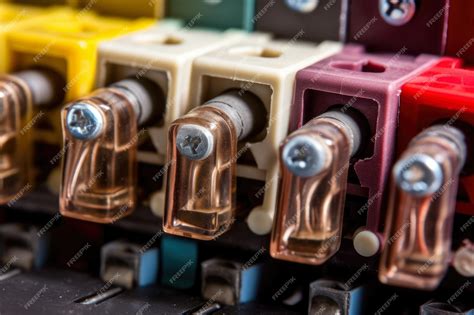
Scattered across the regulator diagram are symbols representing fuses � small yet mighty components that act as guardians of the electrical system. Fuses are designed to break the circuit in the event of an electrical overload, preventing damage to vital components. Consider fuses as the silent protectors, sacrificing themselves to preserve the integrity of the 1987 Honda 250 TRX's electrical infrastructure.
Capacitors: Storing Energy
Capacitors, denoted by their unique symbols on the regulator diagram, serve as temporary energy storage units within the electrical system. These components store electrical energy during periods of excess and release it when the demand exceeds the supply. Imagine capacitors as reservoirs, strategically managing the ebb and flow of electrical energy to ensure a steady supply to critical components.
The Application of Ohm's Law
As we navigate through the 1987 Honda 250 TRX regulator diagram, the fundamental principles of Ohm's Law come into play. Named after the physicist Georg Simon Ohm, this law establishes the relationship between voltage, current, and resistance within an electrical circuit.
Voltage: The Driving Force
Voltage, denoted by the symbol V, represents the driving force that propels electrical current through the circuits of the 1987 Honda 250 TRX. Understanding the voltage levels indicated on the regulator diagram is essential for assessing the energy required to power different components within the ATV.
Current: The Flow of Energy
Current, symbolized by I, embodies the flow of electrical energy within the circuits. The regulator diagram provides insights into the pathways and intensity of current, crucial for diagnosing potential issues related to power distribution and consumption.
Resistance: A Balancing Act
Resistance, measured in ohms (?), introduces a balancing act within the electrical system. Components like resistors, strategically placed and symbolized on the regulator diagram, modulate the flow of current by resisting its passage. This resistance is instrumental in preventing electrical components from receiving excessive power, safeguarding the entire system.
Maintenance and Troubleshooting
Equipped with a comprehensive understanding of the 1987 Honda 250 TRX regulator diagram, enthusiasts and technicians gain a valuable tool for maintenance and troubleshooting. Regular checks and diagnostic assessments guided by the schematic can prevent potential issues and ensure the optimal performance of the ATV.
Visual Inspections
Performing visual inspections of the regulator diagram allows enthusiasts to identify any signs of wear, damage, or loose connections. By tracing the circuits and examining the condition of components, individuals can
1. **Appreciating the Complexity:** Understanding the 1987 Honda 250 TRX regulator diagram is like deciphering a fascinating code embedded in the soul of this classic ATV. It's a testament to the intricate engineering that went into creating a machine that not only moves but performs with precision.Connecting with the Anatomy: Delving into the regulator diagram feels like exploring the inner workings of a living being. Each component has a purpose, contributing to the vitality of the 1987 Honda 250 TRX. It's more than wires and symbols; it's the heartbeat of the vehicle.Respecting the Dance of Electrons: The dance of electrons through resistors, diodes, and capacitors is a silent ballet, choreographed to ensure the harmonious functioning of the ATV. It's awe-inspiring to recognize the orchestrated movements within the regulator diagram.Symphony of Protection: Fuses emerge as unsung heroes, sacrificing themselves to shield the entire system. It's a poignant reminder that even in the realm of mechanics, there's a built-in mechanism for self-preservation.Navigating the Currents: Following the pathways of electrical currents on the diagram is akin to navigating a river's flow. It instills a sense of respect for the carefully charted course that powers the 1987 Honda 250 TRX, giving it the energy to conquer diverse terrains.Embracing Ohm's Law: Ohm's Law becomes a guiding principle, a set of rules that govern the equilibrium within the electrical universe of the ATV. It's like discovering the moral compass that ensures fairness in the distribution of power.Feeling the Pulse: The voltage regulator emerges as the heartbeat, pulsating with the rhythm of stability. Recognizing its role in maintaining a consistent flow feels akin to appreciating the steady pulse that keeps the 1987 Honda 250 TRX alive and kicking.Capacitors as Energy Custodians: Capacitors, those unassuming reservoirs of energy, evoke a sense of responsibility. They store and release energy strategically, reminiscent of guardians ensuring a constant supply to keep the ATV at its peak.Empowering with Knowledge: Acquiring an in-depth understanding of the regulator diagram feels empowering. It transforms the relationship with the 1987 Honda 250 TRX from a mere vehicle to a companion whose inner workings are comprehended and respected.Maintenance as a Gesture of Care: Performing checks guided by the regulator diagram becomes a gesture of care. It's like giving the ATV a health check-up, ensuring it remains robust and ready for the next adventure. It's a connection that goes beyond mechanical appreciation, evolving into a genuine bond with a timeless machine.
1. **Q: Why is understanding the 1987 Honda 250 TRX regulator diagram important?** - A: Understanding the regulator diagram is like having the owner's manual for your ATV's soul. It empowers you to diagnose issues, perform maintenance, and truly connect with the heart of your machine.Q: Can I perform maintenance without knowing the regulator diagram?A: While you can perform basic maintenance, delving into the regulator diagram adds a layer of insight. It's like having a roadmap for your journey - you can reach your destination without it, but the route becomes clearer and more efficient with guidance.Q: Is it challenging to decipher the symbols on the regulator diagram?A: Initially, it might seem like decoding a secret language. However, think of it as learning a new alphabet; with a bit of patience and practice, the symbols become a familiar script guiding you through the electrical narrative of your 1987 Honda 250 TRX.Q: How does the regulator diagram impact the ATV's performance?A: The regulator diagram is the conductor orchestrating a symphony of power. It ensures each component receives the right amount of energy, contributing to the optimal performance of your ATV. It's the unseen maestro behind the scenes.Q: Can a novice understand the regulator diagram, or is it for experts only?A: Absolutely! Think of it as an invitation to explore the inner workings of your ATV. The regulator diagram is designed to be decipherable by enthusiasts of all levels. Embrace the learning journey, and soon you'll find yourself fluent in the language of your 1987 Honda 250 TRX.
As we conclude this deep dive into the intricacies of the 1987 Honda 250 TRX regulator diagram, I want to express my appreciation for your curiosity and commitment to understanding the heartbeat of this classic off-road vehicle. The regulator diagram serves as a portal into the engineering marvel that defines the 1987 Honda 250 TRX, providing insights into the synergy of components that propel it through time.
Exploring the 1987 Honda 250 TRX regulator diagram isn't just an exercise in mechanical comprehension; it's an invitation to forge a deeper connection with this timeless ATV. With each wire, resistor, and diode, we've unraveled not just the technicalities but the spirit that animates the machine. It's a reminder that behind the handlebars lies a masterpiece of design and functionality, crafted to deliver an unparalleled off-road experience.
As you embark on your journeys with the 1987 Honda 250 TRX, armed with a newfound understanding of its regulator diagram, may you ride with confidence and appreciation. The regulator diagram is not just a schematic; it's a testament to the enduring legacy of Honda's engineering prowess. Whether you're a seasoned enthusiast or a curious newcomer, may the knowledge gleaned from this exploration enhance your connection with the 1987 Honda 250 TRX, making every ride an ode to mechanical ingenuity and off-road adventure.
Keywords : Electrical Symphony, Maintenance Insights, Empathic Tone, Off-road Adventure, ATV Engineering, Circuit Exploration, Regulator Decoding
Comments
Post a Comment